
How Busy Parents Are Using Meal-Prep Hacks to Beat Weight Gain Without Dieting (iPhone 18 Pro variable aperture low light)
Busy parents don’t need a stricter diet—they need a calmer system. The kind that reduces decision fatigue at 5:30 p.m., limits “grab-and-go” calorie creep, and keeps healthy portions feeling normal instead of restrictive. Meal-prep has become the backbone of that approach, and increasingly, parents are pairing it with lightweight tech workflows: timers, quick photo logs, and habit loops that make planning easier than improvising.
In this guide, we’ll break down practical meal-prep for weight control—without counting calories—and show how modern smartphone features can help you execute consistently. We’ll even use the iPhone 18 Pro’s variable aperture low light capability as a hands-on tool for “proof meals” and consistency checks (because sometimes the easiest tracking method is the one you’ll actually do).
—
Meal-prep for weight control: what parents can actually do
Meal prep is the practice of preparing components of meals in advance—like cooking proteins, portioning snacks, chopping vegetables, or assembling full meals—so you can quickly combine them during the workweek.
Instead of relying on willpower when you’re tired, meal prep shifts nutrition from “in the moment” to “already handled.” Think of it like pre-charging a battery: you’re not generating energy at the last minute; you’re ensuring you have enough to get through the day.
A helpful analogy: meal prep is like setting up a coffee station before rushing out the door. You may still choose what you drink, but the machine is ready and the process is streamlined. Another analogy: it’s like keeping a map loaded on your phone—less wandering, fewer wrong turns, fewer “oops I ended up somewhere unhealthy.”
Finally, meal prep can be as simple as making one decision once per week: “What are the three base ingredients we’ll use all week?” That alone can reduce frequent takeout decisions that often lead to higher-calorie meals.
—
Here are five realistic meal-prep hacks designed for busy parents who need something doable between school runs, work meetings, and the chaos of real life.
1. Hack #1: Prep “bases,” not full meals
– Cook or plan 2–3 repeatable bases (e.g., chicken + roasted veggies + a grain).
– Then mix and match sauces and sides nightly.
– This prevents boredom and reduces the temptation to “start over” with unhealthy convenience food.
2. Hack #2: Use portion bowls, not free-for-all containers
– Pre-portion into containers that match your desired serving size.
– When food is already portioned, you remove the second guessing that leads to bigger servings “because it’s there.”
– Example: prepare toddler-friendly and adult portions in separate containers to avoid the “everyone grabs from the same tray” problem.
3. Hack #3: Build a “snack-to-meal bridge”
– When kids are hungry between activities, it’s easy to skip dinner quality.
– Create two snack options that are filling but not calorie bombs: fruit + yogurt, hummus + carrots, or a protein bar you actually trust.
– The goal is to prevent late-day overeating triggered by under-fueling.
4. Hack #4: Repeat two weeks at a time
– Don’t constantly hunt for new recipes.
– Choose a “menu loop” for 14 days: same staples, different flavor swaps (different spices, sauces, or roasting methods).
– Like rotating playlists, repetition makes the system stick.
5. Hack #5: Cook once, assemble multiple times
– Make one larger batch of a dish (soups, chili, sheet-pan meals) and portion it.
– The next days become assembly tasks rather than full cooking sessions.
– This is where meal prep stops being a chore and starts being a shortcut.
If you want a fast start: pick one hack above and run it for exactly seven days. Small wins are more reliable than a perfect plan you abandon.
—
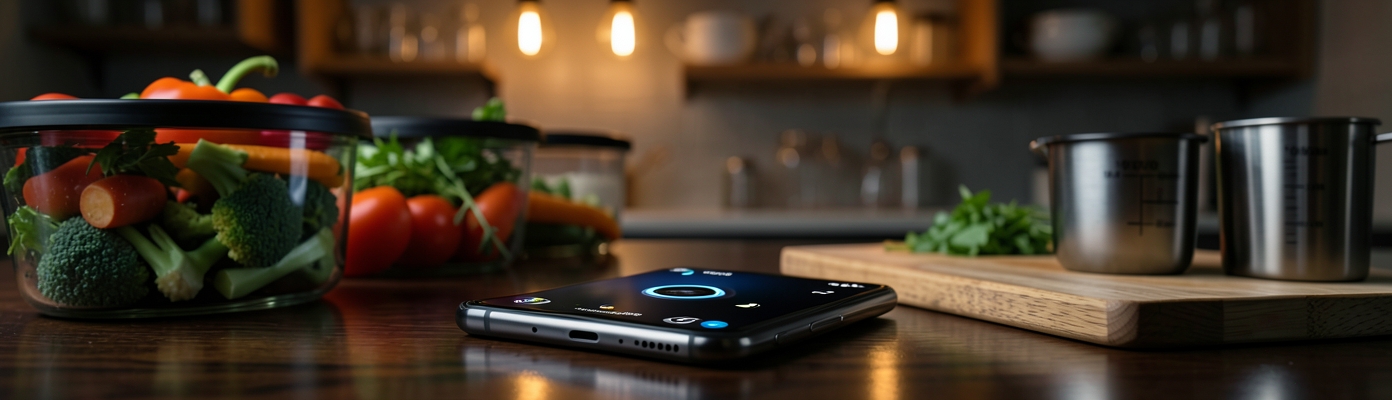
Meal prep works best when you can verify what you actually did—especially when schedules shift. That’s where camera workflows can become surprisingly helpful: taking quick “proof” photos of pre-portioned containers or finished meal plates creates a lightweight audit trail you can review later.
The iPhone 18 Pro’s variable aperture low light support can make this easier because your kitchen lighting is rarely ideal. You don’t need to take studio-quality photos; you need clear, fast documentation.
Try this hands-on approach:
– Before you serve: take one quick photo of each container lineup or plated portion.
– After you serve: take one photo of the final plates (especially if portions are adjusted).
– Use the photos to spot patterns like “we consistently over-portion the carb” or “we keep reusing the same containers without replenishing veggies.”
Here’s the practical part: variable aperture matters because it affects how the camera handles low-light conditions. If your prep happens early morning or in dim kitchens, the iPhone 18 Pro can help reduce motion blur and improve clarity so your tracking method stays usable.
Analogy: it’s like using a kitchen timer you can see from across the room. The tool isn’t changing nutrition directly—but it keeps your process reliable. Another example: it’s like labeling freezer bags; you’re not controlling appetite, you’re removing friction so healthier choices win by default.
—
Background: why weight gain happens in “busy parent” weeks
Busy parent weight gain often isn’t caused by one “bad decision.” It’s usually the accumulation of small frictions:
– missed meals → hunger spikes → larger dinners
– late-day fatigue → convenience food
– stress → snacking without noticing the volume
– schedule changes → the meal plan collapses
In other words, weight gain is frequently a systems problem, not a “motivation problem.”
Smart tech can support that system if it helps with planning, execution, and reminders—rather than adding complexity.
On-device AI is useful when it supports practical planning: suggesting meal options based on what you’ve already cooked, helping you generate grocery lists, or organizing your prep routine.
The key is to aim for “planning assistance,” not “diet enforcement.” If your routine becomes stressful, you’ll abandon it when life gets loud.
A hands-on mindset:
– Use AI to reduce the number of decisions you make.
– Keep goals supportive: “prep enough so dinner is easy,” “portion so we don’t overshoot,” “snack so we don’t binge later.”
A good analogy: A20 Pro on-device AI is like an assistant who cleans up your schedule—it doesn’t tell you how to live, it clears the path so you can follow through.
—
Inventory is one of the biggest reasons meal prep fails. Parents forget what’s in the fridge or don’t know what needs using first. Quick photos can solve this.
With a camera workflow like Pro Controls camera app, you can:
– photograph ingredient shelves at a glance
– capture “leftovers status” (what’s nearly done)
– document what’s in the freezer before making a grocery run
Think of it like doing an airport security check before boarding: you confirm what you have so you don’t need to “panic pack” later.
A simple example routine:
– 2 minutes after grocery put-away: take one photo of shelves and one photo of freezer bins.
– When planning dinner: check the photos instead of opening every container.
—
Meal prep often requires multiple simultaneous tasks:
– something roasting
– something boiling
– something cooling while kids need a snack
With Dynamic Island three live activities, you can run multiple timers or live tasks at once, keeping your “prep flow” steady.
Example scenarios:
– Timer 1: pasta/side cooking
– Timer 2: sheet-pan roast time
– Timer 3: cooling time before portioning
Analogy: Dynamic Island live timers are like having three lighted dashboard indicators while you cook—so you don’t guess whether “it’s almost done” or “it’s been forgotten.”
—
Trend: the rise of “no-diet” routines using tech-enabled systems
The trend isn’t “eating less forever.” It’s creating a routine that makes overeating less likely and healthier choices more automatic.
This “no-diet” approach often blends:
– prep + portioning
– timers + reminders
– frictionless tracking (like photos or quick inventory logs)
If you’re using a phone all day—timers, camera, live activities, and frequent checking—you’ll care about battery longevity.
That’s where battery life test expectations matter: you’re planning for prep days away from outlets. Even if you won’t run extreme screen time, your day may include:
– multiple timer sessions
– repeated camera checks
– quick AI planning or list edits
Hands-on best practice:
– start your prep day with a full charge
– if possible, keep a small battery pack nearby
– prioritize low-friction workflows so you aren’t constantly unlocking your phone
Future implication: as on-device AI and camera features become more power-aware, battery life will likely improve—but the habit of planning around your device’s limits will still be valuable.
—
Tracking and food documentation fail when your photos are inconsistent. That’s why it helps to understand the difference between camera control and editing “look.”
– Pro Controls: helps you capture reliably (exposure, focus behavior, and shot consistency).
– Photographic Styles: helps you decide a consistent visual “feel” for editing (warmth, contrast, etc.).
If you want meal proof logs that are easy to review, choose a consistent approach:
– keep Photographic Styles stable enough that you recognize plates and containers quickly
– rely on Pro Controls for capture consistency rather than “perfecting” later
Analogy: it’s like using the same measuring cup each time. Even if you don’t care about aesthetics, consistent measuring makes results comparable.
—
The future of “no-diet” tracking is less about strict calorie math and more about pattern recognition:
– How often did you plan dinner vs order takeout?
– Did portions drift week-to-week?
– Were veggie portions consistent?
– Were snacks bridging meals effectively?
A practical workflow:
– take fast “before” photos of containers (or prep lineup)
– take “after” photos of plates
– use AI to organize your timeline (or help you decide what to shop for next)
– focus on what to adjust: portion size, cooking cadence, snack choices
Future forecast: expect more family-focused on-device health insights—without turning meal prep into a surveillance project. The best systems will emphasize autonomy and simplicity.
—
Insight: turn prep into portion control without counting calories
Portion control doesn’t require counting. It requires designing your environment so appropriate servings happen naturally.
This is where your system becomes powerful:
– the meal is pre-portioned
– the timing prevents hunger spirals
– the tracking verifies that the system is working
Low-light consistency matters when your prep happens in real-world conditions—dim kitchens, early mornings, evenings after activities.
The iPhone 18 Pro’s variable aperture low light capability can help reduce the frustration of blurry or dark “proof” shots. Consistent photos make your tracking loop reliable.
Try this comparison test at home:
– Take two photos of the same container lineup: one in the dim kitchen corner and one near the brightest area.
– Review clarity and sharpness. If low-light photos are usable, your tracking method survives real life.
Analogy: it’s like using a headlamp while camping—you don’t need perfection, you need something that works when the environment is challenging.
—
To understand why variable aperture helps, think of camera aperture like a doorway for light.
With a fixed aperture, the camera must compromise between:
– letting in more light for night performance
– maintaining enough depth of field for sharpness across the scene
Variable aperture changes that compromise depending on the shot. For night meal photos, that can mean clearer documentation without you needing extra lighting.
Here’s how you can think about the “why” in practical terms:
– You’re taking photos of food at close range
– Your kitchen lighting is inconsistent
– You need repeatable results for your tracking habit
Comparison note: fixed aperture is like always packing the same lunch container regardless of weather. It works sometimes, but you’ll feel the mismatch when conditions change.
—
These aperture values represent different tradeoffs. For quick meal documentation, you can think in terms of “how much light” vs “how much everything stays in focus.”
Use these as a practical guide:
– ƒ/1.48: prioritize maximum light; good for very dim scenes. Great for close-up container labels, but depth of field may be shallow.
– ƒ/1.8: still very light-friendly while improving flexibility for everyday kitchen shots.
– ƒ/2.8: more balanced for scenes where you want multiple items readable.
– ƒ/4.0: more depth of field for wider scenes, though you may need more light.
Hands-on tip: don’t overthink it. Pick the setting (or mode) that consistently produces usable proof shots in your kitchen, then stick to it for your tracking habit.
—
Overcooking is a hidden driver of “no-diet failure.” When meals aren’t good, parents compensate by eating something else or ordering out.
Using Dynamic Island three live activities helps keep cooking on track:
– Timer accuracy reduces burn risk
– Cooling timers prevent watery leftovers
– Portioning timers keep meals ready when hungry hits
Analogy: timers are like guardrails. You’re not driving every second; you just need a system that prevents you from falling off the road when you’re distracted.
—
Forecast: build a sustainable meal-prep system for the next 30 days
To beat weight gain without dieting, you need a cycle that you can repeat. A 30-day plan works because it gives you time to learn your routines without burning out.
Here’s a simple 30-day structure that repeats weekly:
1. Day 1 (prep day)
– cook bases (protein + grain)
– roast a tray of vegetables
– portion into containers
2. Day 2–4 (mix days)
– rotate sauces/spices
– add quick fresh sides
– use pre-portioned snacks
3. Day 5–7 (use it up)
– incorporate leftovers into bowls or wraps
– freeze what you won’t finish
– keep portions consistent to avoid “weekend creep”
The goal is predictability without boredom.
—
For the next 30 days, use low-light meal photos as your consistency checkpoint:
– take “before” photos on prep day
– take “after” photos on serving days
– compare visuals to spot portion drift
Future implication: as camera and on-device features improve, this sort of lightweight documentation could become more automatic—yet the human behavior change will remain the real value.
—
Before you commit to a month-long workflow, do one quick battery test expectation run:
– spend an evening setting timers
– take prep photos
– use your planning method once or twice
– check remaining battery
If you consistently dip low, adjust:
– use fewer screen-checking moments
– lower brightness
– keep a power bank for prep-day reliability
—
Call to Action: start your first meal-prep sprint this week
If you want results quickly, run a sprint, not a rebrand.
Pick exactly:
– One meal-prep hack (from the 5 hacks list)
– One timer flow (single timer or three live activities)
– One tracking method (photo proof, inventory photo, or both)
Keep it minimal so you actually follow through.
—
This is your hands-on trial:
– Use Pro Controls camera app to capture a quick inventory or prep lineup photo
– Use Dynamic Island three live activities to run at least two cooking timers (and a third if cooling/portioning is needed)
Purpose: validate that the system supports your real kitchen workflow, not an idealized one.
—
For seven days:
– measure success by “did dinner get easier?”
– check if portions stayed consistent
– note which meal components you ran out of first
Then adjust:
– if you ran short, prep more of the base—not everything
– if you overshot portions, portion smaller or increase veggie volume
– if meals felt repetitive, swap sauces or change one component, not the entire system
Future forecast: after a few cycles, your prep system will “feel automatic,” and the need for tracking will decline—because the environment does the work.
—
Conclusion: meal-prep + smart habits help you avoid weight gain
Busy parents don’t need more strict rules—they need fewer decisions, better timing, and a simple system that keeps healthy eating available.
Meal-prep helps by removing the late-day chaos that triggers over-ordering and portion drift. Tech-enabled workflows make that system easier to execute: timers keep cooking accurate, camera proof logs reduce memory errors, and on-device AI helps organize without turning life into a spreadsheet.
– Use meal-prep hacks that fit reality: prep bases, portion in advance, repeat your menu loop.
– Use Dynamic Island three live activities to prevent overcooking and keep prep flow stable.
– Use iPhone 18 Pro variable aperture low light to capture consistent proof meals in dim kitchens.
– Use Pro Controls camera app for quick inventory photos so your plan matches your real fridge.
—
Start your first sprint this week:
1. Choose one hack
2. Choose one timer flow
3. Choose one tracking method (fast photos)
Commit to seven days, adjust portions and prep frequency, and then repeat for 30 days. The outcome you’re aiming for isn’t perfect dieting—it’s a sustainable routine that makes weight gain less likely because healthy choices are the easiest choices available.