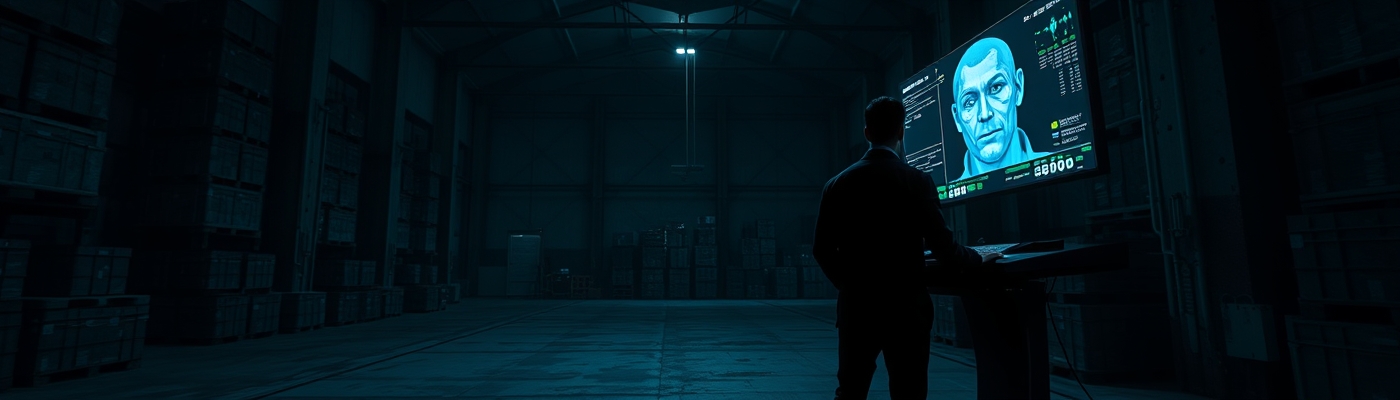

The Hidden Truth About Sleep Debt That’s Ruining Your Health (WebinarTV privacy issues)
Sleep debt doesn’t feel dramatic. It feels “manageable.” Another episode. One more chapter. A quick check of one more message. And then, week after week, your body quietly pays interest on missed sleep—until your health starts behaving like a slow-motion emergency.
But here’s the twist most people miss: sleep debt doesn’t only come from staying up late. It also comes from how online spaces expose you—especially when “privacy-friendly” sessions aren’t truly private. Recent WebinarTV privacy issues have put a spotlight on a pattern: recordings, redistribution, and passive tracking that can turn vulnerable moments into data assets. When your recovery support and anonymity expectations get violated, your stress response can spike—making sleep even harder. A debt you didn’t know you were accruing.
Think of sleep debt like water in a bathtub with a slow leak. You don’t notice the puddle growing until you step in and realize the floor is soaked. And in the digital world, privacy leaks can be that slow leak—silent at first, then unmistakable in what it does to your body.
This is a provocative guide to help you spot the warning signs, understand the sleep-health mechanics, and protect your privacy—because ethical concerns and online exposure are not separate from your health. They’re connected.
Spot Sleep Debt Signals and WebinarTV Privacy Red Flags
Sleep debt is the gap between how much sleep your body needs and how much it actually gets. It’s not just “being tired.” It’s a biological shortage that affects brain function, metabolism, immune response, and mood regulation.
How it builds up quickly is the real danger:
– You “catch up” on weekends, but your brain often doesn’t fully recover from accumulated deficits.
– Stress increases cortisol, which makes it harder to fall asleep and stay asleep—so you lose more sleep.
– Sleep disruption fragments your recovery cycles, especially REM and deep sleep, which are when the body repairs and consolidates.
A useful analogy: sleep is like charging a phone battery. If you only charge when it’s almost dead, the battery ages faster. If you let sleep run low repeatedly, your system starts operating as if it’s always at 20%—even if you can still “use the device.”
Another analogy: sleep debt is like skipping maintenance on a car. One missed oil change won’t crash the engine today, but it raises wear every day until the failure arrives.
Featured Snippet: Definition of Sleep Debt
Sleep debt is the cumulative difference between the sleep your body needs and the sleep you’ve actually gotten over time.
Now connect that biology to privacy.
When people join online recovery spaces—anonymous support meetings, addiction recovery groups, sensitive health discussions—the expectation is clear: confidentiality and anonymity. If WebinarTV privacy issues involve recording and republishing without informed consent, it can trigger a very specific physiological chain reaction:
1. You feel unsafe or exposed.
2. Your nervous system shifts into threat mode.
3. That increases hypervigilance—mentally replaying what was said, who might see it, and how it could follow you.
4. Hypervigilance worsens sleep latency (time to fall asleep) and reduces sleep quality.
Even if you didn’t “lose hours” to late-night scrolling, you may still be paying the sleep debt bill through stress.
And yes, the privacy angle is not just “feelings.” It’s a measurable stress response.
If you’re looking for concrete signals that your sleep debt is already harming you—and that privacy risk could be contributing—watch for these warning signs.
Featured Snippet: 5 Signs of Sleep Debt
1. Persistent daytime sleepiness and “can’t focus” fog
2. Increased irritability or emotional volatility
3. More frequent headaches or muscle tension
4. Slower reaction time and more mistakes
5. Trouble falling asleep or waking too early, even when you’re in bed
When privacy is uncertain—especially with Zoom meeting privacy concerns around how sessions can be recorded—those signs can intensify. Think of it like your body trying to repair itself while someone keeps tapping the window. The repair can’t finish.
Understand How Sleep Debt Interacts With Recovery Support
Recovery support is supposed to be a safe harbor. But when online meeting confidentiality breaks down, the harbor turns into open water.
Anonymous meetings aren’t a quirky preference. They’re often the condition that makes recovery possible.
People participate because they believe they can:
– speak honestly without fear of stigma,
– share sensitive details without long-term consequences,
– and maintain anonymity when there’s a personal history at stake.
So when ethical concerns emerge—like recordings being shared beyond what participants understood—it undermines the psychological safety that recovery requires.
Featured Snippet: What Are anonymous meetings?
Anonymous meetings are group support sessions where participants expect their identities and participation to remain undisclosed to protect safety, privacy, and stigma-sensitive recovery.
Here’s the blunt reality: if anonymity is compromised, people may return less often, hide more, or disengage entirely. That doesn’t just affect participation—it increases internal stress. And increased stress is sleep kryptonite.
Analogy: recovery meetings are like therapy scaffolding. If the scaffolding is removed while you’re still building, you can’t stabilize the structure. Stress fills the gaps.
And privacy violations don’t operate only at the moment of exposure. The fear of future exposure can become a constant background noise—like a smoke alarm with a low battery chirp. You hear it forever, and it drains your ability to rest.
Even beyond recording, there’s the broader landscape of data scraping and redistribution behavior online. When a service can collect, extract, or republish session content—sometimes with identifiers like names, faces, or timestamps—the ethical concerns expand rapidly.
This is where Zoom meeting privacy can be misunderstood. People assume the platform’s controls guarantee safety. But users often don’t control what third parties do with public or accessible content, especially if someone has a mechanism to download, reconstruct, or scrape.
Think of it like locking your front door but leaving your windows uncovered. You did a “right thing,” but the system still lets outsiders look in.
Featured Snippet: Comparison: Recording consent vs silent scraping
Recording consent requires informing participants and obtaining permission; silent scraping collects or repurposes content without participants’ knowledge, bypassing consent.
If you’re a privacy-first viewer—especially in recovery settings—use a checklist before you assume safety. You’re not just protecting against hackers; you’re protecting against redistribution.
Consider:
– Do you know whether sessions are recorded? Even “sometimes” can be risky.
– Are names or videos visible? If so, consent can be ambiguous depending on how recordings circulate.
– Are you expected to join anonymously? If the meeting design conflicts with anonymity, assume exposure risk.
– Is the content later redistributed elsewhere? Look for patterns like public posting, republishing, or “reuploads.”
– Is there a clear consent process? If participants aren’t asked, you should assume it’s not consent-based.
Ethical alarm points to watch:
– “Publicly accessible” claims that ignore participant expectation of confidentiality
– Lack of clear notification before recording
– Redistribution of identifiable content (names, faces, voices) where anonymity was expected
Let’s be direct: when ethical concerns are brushed off as “it’s technically available,” the burden shifts to the participant who trusted the space.
In sensitive contexts, “technically permissible” and “ethically acceptable” are not the same thing. For someone managing recovery, the difference can be life-altering—socially, professionally, and psychologically.
And that psychology returns to the core theme: stress is a sleep debt multiplier.
Track the Trend: Sleep Debt, Stress, and Online Exposure
Your sleep isn’t just a health metric. It’s a compliance system for your nervous system—proving whether you feel safe.
When privacy is violated—or even threatened—your brain treats it like an ongoing danger. That can lead to:
– rumination at night (“Did they capture my screen?” “What if my identity shows up?”),
– increased arousal before bed,
– and a reduced sense of control.
Then sleep debt builds faster, because you’re no longer just tired—you’re activated.
Cause-and-effect looks like this:
– privacy anxiety rises → stress hormones rise → sleep latency increases → sleep quality decreases → mood regulation worsens → anxiety rises again.
This is a feedback loop that makes it harder to “just sleep it off.”
Trend Snippet: Cause-and-effect for stress and sleep
Privacy stress increases physiological arousal, which makes falling asleep harder and worsens sleep quality—thereby deepening sleep debt.
An additional consequence: people may avoid support because they fear exposure. Avoidance temporarily reduces anxiety during the day, but it often increases it at night—because loneliness and guilt creep in. Sleep debt then accelerates.
Exposure isn’t only a content issue. It’s a signal of shifting norms: privacy is becoming negotiable, and consent becomes optional.
When recordings of anonymous or sensitive meetings spread, it suggests:
– a reduction in participant-centered ethics,
– a normalization of redistribution,
– and a growing mismatch between what support communities promise and what third parties do.
Featured Snippet: Timeline of how recordings spread
A meeting is recorded or captured → content is republished or scraped → snippets circulate → identifiable context accumulates → the original audience loses control.
And that timeline matters for sleep. The problem isn’t only the first posting. It’s the resurfacing. Your brain re-enters the threat assessment each time new versions circulate.
Get the Insight: Practical Steps to Protect Both Sleep and Privacy
You can’t control everything online—but you can control your exposure risk and your recovery foundations. Start there.
Before you join any session where confidentiality is essential, treat it like you’re checking a lock before you walk inside.
Do:
– assume recording risk exists unless consent is clearly documented,
– ask (or look for) meeting rules about recording and redistribution,
– choose settings that minimize identifiability (camera off, minimal profile visibility).
Don’t:
– assume “privacy-friendly” branding guarantees privacy,
– join while sharing identifying information if the meeting isn’t clearly consent-based,
– rely on “it’s public anyway” logic when anonymity is the point.
Featured Snippet: do’s and don’ts before you join
Do verify recording/consent practices and use minimal identifiability settings; don’t assume branding equals consent or ignore anonymity expectations.
Ethical concerns: reduce harm with safer settings
If you’re joining sensitive recovery support, reduce your digital footprint:
– blur or hide identifying details where possible,
– avoid sharing your full name if the group allows pseudonyms,
– keep chat logs minimal if you’re unsure how transcripts are handled.
Analogy: think of it like wearing a seatbelt, not because you expect an accident, but because one can happen. Privacy settings are your seatbelt.
Let’s focus on what you can adjust quickly. Exact labels vary, but the goal is the same: reduce identifiability and minimize recording-friendly conditions.
Step-by-step privacy setup:
1. Turn your camera off unless you truly need it.
2. Use a neutral display name or “first name only” (if allowed).
3. Disable notifications that might reveal personal info on screen.
4. Join from a device/account you don’t use for other sensitive identities.
5. If there’s a “waiting room” or moderation tool, let the host control access.
Featured Snippet: Step-by-step privacy setup
Turn off camera, minimize display identity, join from a separate safer account/device, and rely on host-controlled access tools where available.
Your goal isn’t paranoia—it’s resilience. Scraping and reuploads thrive when people leave the door open.
Featured Snippet: 5 Habits to reduce exposure
1. Use pseudonyms for sensitive groups
2. Avoid posting identifiable photos or full names
3. Limit screen sharing and background content that reveals personal details
4. Review privacy settings on every platform you use
5. Reduce what you copy/paste into chats that may be logged or redistributed
Practical additions:
– Don’t share unique identifiers (employers, addresses, workplaces) in recovery contexts.
– Use device-level hygiene: keep permissions minimal and log out after meetings.
– If you’re concerned, save screenshots of meeting notices about recording—so you can verify what you were told.
Forecast: What to Expect Next for Sleep and Online Privacy
This is where things get even more uncomfortable: the trend toward content reuse and consent ambiguity likely continues—unless users and platforms push back.
Expect a tug-of-war. Some platforms will add controls; others will rely on “best effort” language. Meanwhile, user behavior will shift toward skepticism.
What to watch in the next 12 months:
– tighter in-product prompts around recording,
– more “opt-in” models for redistribution (or clearer notice requirements),
– continued reliance on moderation and reporting systems rather than true enforcement.
Featured Snippet: What to watch in the next 12 months
More explicit recording prompts, evolving consent flows, and stronger “notification-first” behavior—without fully eliminating third-party redistribution.
Norms may improve, but only if the community treats ethics as a first-class requirement. In recovery spaces, consent isn’t a legal checkbox—it’s part of safety.
Anonymous meetings future expectations:
– clearer “no recording” policies backed by visible enforcement,
– safer defaults (camera off, minimized identifiability),
– and quicker consequences when redistribution violates expectations.
Forecast analogy: privacy norms are like wildfire prevention policy. Training and fire breaks help—but if people keep throwing fuel, the smoke still spreads.
Take Action Now: Protect Yourself and Fix Your Sleep Debt
You don’t need perfection. You need momentum—tonight and tomorrow.
Start repairing sleep debt immediately, even if you can’t fully remove stress.
Featured Snippet: 5 Quick wins for tonight
1. Set a hard “lights out” time and stick to it
2. Keep the room cool and dark
3. Avoid caffeine after mid-day
4. Stop doom-scrolling 30–60 minutes before bed
5. Do a 5-minute wind-down routine (breathing, journaling, or gentle stretching)
Add a privacy-aware mental practice: before bed, write down what you can control. If you’re worried a meeting was recorded, don’t spin in circles—plan the next action (see below).
If you suspect your meeting was recorded or redistributed without proper consent, act quickly.
What to do if your meeting was recorded:
– Document what you know (date, platform, meeting name, whether recording was disclosed).
– Check whether the content appears publicly on reupload channels or scraped mirrors.
– Contact the host or organizer and request removal if you were not informed/consented.
– If your identifying information was included, ask for takedown or editing/obscuring.
– If the platform supports it, use reporting mechanisms and privacy complaint workflows.
Featured Snippet: What to do if your meeting was recorded
Collect details, check for public reuploads, request takedown through the host/platform, and use reporting channels for identifiable or consent-violating recordings.
This doesn’t just protect privacy—it can reduce nighttime rumination, which is often what keeps sleep debt compounding.
Conclusion: Sleep Debt Recovery Starts With Safer Habits
Sleep debt is not inevitable. It’s a pattern—one that can be fueled by stress, and stress can be fueled by privacy violations.
If you want to protect your health, don’t treat sleep like a solo project. Treat it like a system: sleep hygiene, psychological safety, and consent-respecting online spaces all matter.
– Sleep debt harms focus, mood, immune function, and recovery—and it can worsen fast.
– WebinarTV privacy issues (and broader recording/redistribution behavior) can amplify stress, making sleep harder.
– Ethical concerns in anonymous meetings aren’t “extra”—they directly impact nervous system safety.
– Use privacy controls (camera off, minimal identity), and practice data scraping awareness.
– If exposure is suspected, document and pursue removal rather than spiraling.
Final recap: sleep health + webinar privacy protection
Recovering your sleep starts with reducing the stress triggers that keep your body in threat mode—and privacy safety is one of the biggest, most overlooked levers you have.