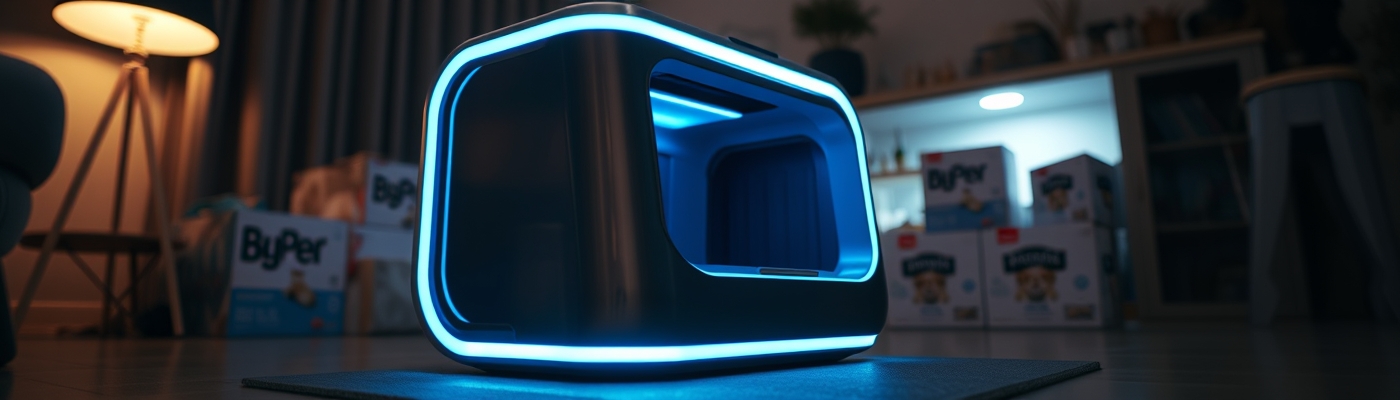

How Small E-Commerce Brands Are Using Product Bundles to Skyrocket Sales (Automatic Litter Box)
Intro: Why bundled deals are boosting automatic litter box sales
Small e-commerce brands are discovering a powerful growth lever: product bundles. Instead of selling a single item and hoping shoppers “figure out the rest,” smart storefronts package everything a buyer needs to go from curious to confident—fast. That’s especially true for high-consideration purchases like an automatic litter box, where price, setup effort, and pet compatibility can create hesitation.
When you bundle, you reduce cognitive load. It’s like walking into a kitchen supply store and being shown a complete baking kit—ingredients, tools, and instructions—rather than being handed flour alone and told to “learn everything.” Shoppers don’t just buy convenience; they buy certainty.
For brands selling automatic litter box products, bundles can turn “maybe later” visitors into buyers by:
– Preempting common follow-up needs (filters, liners, replacement parts)
– Simplifying decision-making (“just pick this starter kit”)
– Increasing perceived value without needing constant promotions
In practice, the most successful bundle-driven stores treat the customer journey as the product. They design the purchase experience to feel like a guided onboarding—particularly relevant for home automation for pets, where buyers often want reassurance that the tech will work smoothly in their home.
Background: What an automatic litter box is and why it matters
An automatic litter box is a self-cleaning cat litter system that helps automate waste removal. Many models use sensors and a cleaning mechanism that cycles at set intervals, after the cat uses the box. The goal is simple: reduce daily scooping and help manage odors and hygiene more consistently.
But the real reason it matters isn’t just convenience. It’s trust. Pet owners often worry about:
– Reliability (Will it work every time?)
– Maintenance (How often do I clean it?)
– Noise and comfort (Will my cat tolerate it?)
– Odor control (Will it smell in a small apartment?)
– App usability (If it’s smart, will it be complicated?)
This is where bundling becomes more than marketing—it becomes a solution to uncertainty.
Definition-style snippet: What Is an automatic litter box?
An automatic litter box is an automated cat litter system that performs cleaning cycles automatically, often using sensors to detect when a cat has used the box and then cycling waste into a sealed compartment. Many also include smart pet technology features such as app alerts, odor management, and maintenance reminders.
Most buyers are not tech experts; they’re pet parents trying to reduce friction in everyday routines. That’s why core functionality matters:
– Smart scheduling: cleaning cycles at intervals designed to reduce buildup and odors
– Odor control: enclosed waste handling and/or deodorizing components
– Maintenance reminders: alerts for when to replace filters, liners, or other consumables
– App integration (in many models): check status, receive notifications, and monitor usage patterns
Think of an automatic litter box as a “quiet assistant” rather than a gadget. Like a smart thermostat that helps keep your home comfortable without constant adjustment, these devices aim to maintain hygiene with minimal effort. And just as a car doesn’t require you to manually pump fuel every time you drive, an automatic litter box reduces the repeated micro-tasks that drain time and patience.
Education snippet: 5 Benefits of buying an automatic litter box bundle
Bundles work because they align with what buyers actually want: readiness and reduced risk. An automatic litter box bundle typically ensures you’re not stopping mid-setup to hunt down missing parts.
Common benefits include:
1. Lower setup friction
You receive compatible accessories and consumables so you can start using the box immediately.
2. Improved odor and cleanliness
When the right filters and liners are included, the system works as intended rather than “mostly working.”
3. Fewer product compatibility mistakes
Bundles reduce the odds of buying mismatched litter, wrong liner types, or incompatible replacement parts.
4. Smoother maintenance over time
Replacement components are easier to manage when your bundle includes starter quantities and a clear path for future reorders.
5. More “tech value” out of smart pet technology
Many shoppers choose app-connected features—but bundles help them configure the basics correctly so the tech delivers on its promise.
Smart innovative pet care bundles also “teach by shipping.” It’s like getting a bicycle helmet and pump with your bike: you’ll actually ride more confidently because you’ve got the essentials from day one.
For brands, the most converting additions are the items that determine whether the product performs as described. Filters and liners are often top bundle candidates because they directly influence:
– Odor control effectiveness
– Waste compartment hygiene
– User experience and maintenance frequency
From a merchandising standpoint, these add-ons also help with subscription potential later, turning one-time sales into repeat revenue.
Trend: Home automation for pets is shifting bundle expectations
The home automation for pets trend isn’t just about owning a device—it’s about living with it. As more buyers adopt smart features, their expectations evolve: they want technology to be installable, maintainable, and predictable.
A shopper comparing smart litter box options is no longer only asking, “Is it automatic?” They’re asking, “Will it fit my routines and be easy to manage for months?”
That’s why bundle expectations are rising. Customers increasingly compare not only the box, but the entire ecosystem around it: consumables, replacement parts, and the onboarding experience that turns features into real outcomes.
Insight snippet: How innovative pet care bundles are changing
Innovative pet care bundles are reshaping how shoppers research and buy automatic litter box products. Instead of evaluating accessories separately, buyers look for a package that matches their lifestyle needs—small apartment odor concerns, busy work schedules, or multi-cat households.
In shopping conversations (and in-store review reading), buyers increasingly compare:
– App alerts (full compartment notifications, maintenance reminders)
– Cleaning cycle options (scheduled vs event-based)
– Monitoring capabilities (usage patterns, unusual activity alerts in some systems)
– Noise levels and cleaning disruption
– Setup and onboarding friction (Wi-Fi pairing steps, guide quality)
– Replacement part availability (how easy it is to reorder filters/liners)
This is an important shift. Bundles aren’t a “nice extra” anymore—they’re part of the perceived reliability of smart pet technology.
Comparison-style snippet: Automatic litter box vs manual scooping
Manual scooping can be effective, but it’s labor-intensive and inconsistent for many households. An automatic litter box changes the baseline experience by automating cleanup schedules and improving hygiene consistency.
Here’s how shoppers often weigh the tradeoffs:
– With manual scooping, you control timing, but you must remember and do the task daily (or more).
– With an automatic litter box, timing is automated, and upkeep becomes more about replacing consumables and occasional cleaning of components.
Smart pet technology comparisons (app alerts, monitoring, cleaning cycles)
Automatic systems may offer:
– App alerts when waste compartments are full or maintenance is due
– Monitoring that helps pet owners spot irregular usage patterns
– Cleaning cycles designed to reduce odor buildup
A useful analogy: manual scooping is like watering a plant by hand every day—simple, but easy to miss when life gets busy. An automatic system is more like a drip irrigation setup: consistent hydration with less daily effort. The same idea applies to litter maintenance—automation helps reduce “human schedule gaps.”
Insight: How small brands design high-converting product bundles
Small brands win when they understand that purchasing an automatic litter box is not one decision—it’s a chain of decisions. The buyer is effectively asking: “Will this work for my cat, in my home, with my routine, without becoming a maintenance burden?”
High-converting bundles answer those questions upfront.
Many shoppers start with litter box reviews before buying, because the stakes feel personal. A device that seems great online can be frustrating in real life if it’s noisy, unreliable, or harder to maintain than expected.
Smart brands incorporate review insights into bundle design. They use what customers complain about—and what they praise—to build packages that eliminate predictable pain points.
Even if you’re not a cat tech expert, you can structure your bundle around the most review-mentioned criteria:
– Noise: Does the cleaning cycle feel disruptive to cats or humans?
– Reliability: Does it detect usage correctly and complete cycles consistently?
– Odor control: Does the waste compartment contain smell effectively over time?
– App usability: Are setup steps clear, and are alerts understandable?
– Maintenance complexity: How often do you need to replace parts, and is cleaning straightforward?
– Compatibility: Which liners, filters, and litter types work best with the model?
For beginners, a bundle should feel like a “review-guided roadmap.” It’s like buying a hiking kit: if you know from reviews that certain terrain requires specific gear, you don’t want to improvise once you’re already on the trail.
In merchandising terms, brands can also use reviews to define bundle tiers. If app setup is a common friction point, include onboarding support materials or “first-week essentials” in the bundle to reduce churn.
The most converting bundles pair smart pet technology with the essentials that make the tech actually perform. That often includes filters, liners, cleaning accessories, and replacement parts.
But the key is not just adding random items—it’s sequencing value.
Consider bundle pairings that map to the real timeline of ownership:
– Starter kit bundle: box + first set of consumables + quick-start guide
– Odor control bundle: box + extra filters/odor management components
– Multi-cat bundle: box + higher-quantity replacements + maintenance-focused accessories
– Maintenance bundle: replacement parts shipped on a predictable schedule (even if not fully subscription)
This approach turns the bundle into a long-term relationship. Customers don’t just buy a device; they buy a plan.
As a result, brands can:
– Reduce returns caused by missing consumables
– Increase satisfaction because the product is “complete”
– Improve retention by making reorders easier and less confusing
Forecast: What to expect as pet buyers demand simpler bundles
Bundle-driven sales are only getting stronger. Pet owners want fewer decisions and less troubleshooting, especially for home automation for pets products that involve sensors, app connections, and periodic maintenance.
In the future, buyers will increasingly expect “plug-and-play” not only in setup, but in ongoing care.
Prediction snippet: The next bundle winners in smart pet tech
The next wave of winning bundles will likely emphasize:
– Smarter onboarding (fewer setup steps, better guidance, clearer compatibility)
– AI monitoring (optional insights that reduce guilt and guesswork)
– Smoother replacement cycles (bundles that anticipate consumable needs)
Some home automation for pets roadmaps may move toward more proactive support: devices that don’t just alert, but help interpret what’s happening and recommend next actions.
In practical terms, future bundles may expand to include:
– AI-guided maintenance: recommendations based on usage patterns and system performance
– Simplified replacements: bundles that automatically align with expected filter/liner replacement windows
– Enhanced app experiences: clearer status explanations and fewer ambiguous notifications
– Better multi-cat management: tailored scheduling and alerts by pet usage patterns
Analogy: this is like evolving from a basic instruction manual to a GPS. At first, you need directions. Later, you want traffic-aware rerouting. In the same way, consumers will want more than automated cleaning—they’ll want guided care that adapts over time.
Call to Action: Build your bundle roadmap for automatic litter box customers
If you’re a small e-commerce brand selling an automatic litter box, the fastest path to growth is to build a bundle roadmap tied to real buying anxiety and real usage timelines.
Start with the bundle experience, not just the product listing.
1. Audit the common reasons people hesitate
Use review themes: noise complaints, app setup confusion, maintenance misunderstandings, odor concerns.
2. Create 2–3 bundle tiers
– Entry/start bundle for first-time buyers
– Value bundle with extra consumables
– Premium bundle focused on odor control and maintenance
3. Design bundle copy around outcomes
Instead of listing features only, translate to benefits: “set it up,” “stay odor-contained,” “remind me when it’s time.”
4. Bundle for the first 30 days
A great starter kit removes the most immediate uncertainty. Include the “first consumable cycle” so customers feel supported early.
5. Measure conversions and reduce returns
Track add-to-cart rate, conversion rate, and return reasons. Iterate the bundle composition accordingly.
Your pricing tiers should reflect the value of the included consumables and the confidence they provide. Validate your assumptions with:
– litter box reviews themes (what people struggled with and what they loved)
– Customer questions from support and pre-purchase chats
– Cart abandonment patterns on accessory pages
A useful way to think about testing is like running small experiments in a lab: tweak one variable (bundle contents or price) at a time, then observe the outcome. Don’t overhaul everything at once—iterate toward a bundle that consistently converts.
Future implication: brands that iterate based on review signals and onboarding friction will likely outperform competitors who keep bundles static. Over time, those brands can also expand into innovative pet care ecosystems—adding accessories, replacement part bundles, and even broader smart pet technology offerings.
Conclusion: Bundle-led growth for small e-commerce brands
Product bundles are helping small e-commerce brands skyrocket sales of automatic litter box products because bundles solve the real problem behind the purchase: uncertainty. Shoppers don’t just want convenience—they want confidence that the device will work, integrate into their routine, and stay manageable over time.
By leveraging litter box reviews, pairing smart pet technology with essential consumables, and designing bundle tiers that match real ownership timelines, small brands can turn browsing into buying—and buying into repeat customers.
As pet buyers demand simpler home automation for pets experiences, the winners will be brands that build bundles like a complete solution—not a collection of add-ons. Build your bundle roadmap now, test it against customer feedback, and evolve it as pet technology advances.