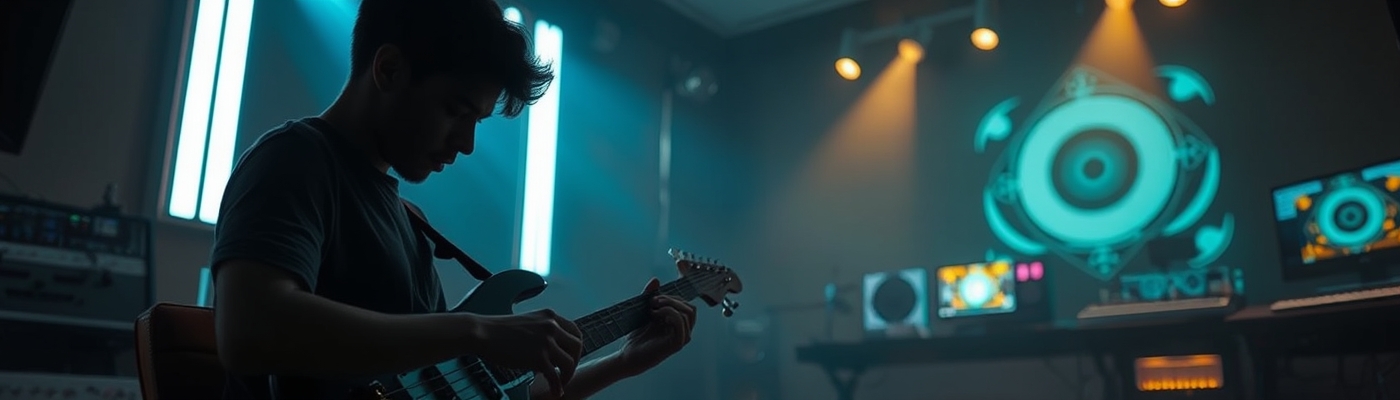

How Aspiring Musicians Are Using Innovative Instruments to Redefine the Future of Sound
Understanding Innovative Musical Instruments in Music
What Are Innovative Musical Instruments?
Innovative musical instruments are designed to push the boundaries of music creation and performance. Unlike traditional instruments, these new instruments often incorporate advanced technology, unique materials, or novel design elements that enhance the musician’s creative expression. They can range from entirely new concepts—like a sound-generating device created from everyday objects—to sophisticated digital synthesizers that redefine sound manipulation.
For instance, consider an instrument that combines traditional strings with programmable sensors to create a hybrid outcome, merging classical sound with electronic effects. This innovation opens doors for musicians to explore genres that wouldn’t be as easily achievable with conventional instruments. Innovative musical instruments offer limitless possibilities, allowing creators to explore the essence of sound in new ways.
Key Trends in Musical Instrument Design
Current trends in musical instrument design reflect a significant shift towards simplicity, accessibility, and sustainability. As technology advances, we see:
– Digital Integration: Many new instruments now feature digital capabilities, allowing for complex sound manipulation and interaction with various software. An example is the development of touch-based synthesizers that provide intuitive control over sound parameters.
– Upcycled Materials: More creators are focusing on sustainability by using repurposed materials. Instruments such as those made from bicycle parts showcase creativity while encouraging environmentally friendly practices.
– Collaborative Designs: There is a noticeable trend towards inclusive designs that cater to musicians with disabilities. Instruments such as the Masterpiece, a touch-operated synthesizer, are aimed specifically at promoting accessibility in music creation.
These trends represent a broader transformation in the landscape of musical instrument production, emphasizing creativity and diversity in musical expression.
Exploring the Georgia Tech Competition and Its Impact
Highlights from the Guthman Musical Instrument Competition
The Guthman Musical Instrument Competition, held annually at Georgia Tech, showcases groundbreaking concepts in musical instrument design. The event not only celebrates creativity but also addresses the importance of accessibility and repurposed materials. By bringing together students and innovators, the competition serves as a platform for aspiring creators to share their inventions with the world.
Among this year’s participants, Masterpiece, a touch-operated synth, won first place, underscoring a commitment to accessibility in music technology. The competition awards a significant prize of $10,000, reflecting its focus on encouraging innovation in the field.
Notable Innovations Unveiled at the Competition
Throughout the competition, several remarkable innovations have gained attention:
– Fiddle Henge: This instrument combines a traditional fiddle with modern design, enabling a unique playing experience that marries historical sounds with contemporary aesthetics.
– Lethelium: A standout entry, this instrument made from upcycled bicycle parts highlighted the value of sustainability in musical instrument creation. By reimagining everyday items as objects of musical expression, Lethelium illustrates how creative thinking can redefine conventional boundaries of instrument design.
The Guthman Competition continually inspires emerging musicians and inventors, pushing the envelope on what an instrument can be and how it can engage in the musical conversation.
Future Music Technology: Shaping Tomorrow’s Sounds
Emerging Musical Instrument Trends to Watch
As we look to the future of music technology, several emerging trends are set to reshape the landscape.
– AI-Driven Instruments: The integration of artificial intelligence within instruments offers the potential for automated composition and adaptive play. These instruments could analyze user inputs and respond dynamically, opening new avenues for improvisation and creativity.
– Virtual and Augmented Reality Instruments: Technologies such as VR and AR are beginning to influence the development of musical instruments. Imagine performing in a virtual space where instruments can interact visually while producing sound, entirely changing the performance experience.
These technologies are expected to blend the lines between physical and digital music-making, leading to new forms of artistic expression that will characterize the future of sound.
Benefits of Upcycled Musical Instruments in Creativity
The movement towards upcycling in instrument design is not just an eco-conscious choice; it also enhances creativity in music-making. By repurposing materials, musicians can:
– Create unique sounds that are impossible with traditional instruments.
– Foster a sense of personal connection to their instruments, as each one tells a different story.
– Promote sustainability, encouraging others to think critically about their material usage and its impact on the environment.
This drive toward creativity and innovation emphasizes the importance of artistic expression while showcasing how innovative musical instruments can emerge from unconventional sources.
Insight into the Future of Sound Creation
How Collaboration Fuels Innovation in Music
Collaboration has become a driving force in the evolution of sound. When musicians and technologists work together, they can blend their expertise to create instruments that enhance musical expression. This collaborative spirit ushers in a wave of inclusive design, focusing on accessibility.
By inviting musicians from diverse backgrounds into the design process, creators can develop instruments that cater to varied skill sets and abilities. This unity within artistic communities not only fosters innovation but also enriches the music landscape.
The Role of Accessibility in Instrument Evolution
Accessibility plays a crucial role in instrument evolution. As musicians advocate for more inclusive design, the push for innovative musical instruments that cater to users with various needs strengthens.
Key areas where accessibility is helping shape instrument evolution include:
– Customizable Designs: Instruments that can be adapted to the user’s physical needs or musical preferences enhance creativity and encourage diverse forms of expression.
– User-friendly Interfaces: Simplifying controls means less experienced users can engage with the instruments readily, allowing for a broader audience in music-making.
The evolution of accessibility in musical instruments not only democratizes music-making but also enriches cultural diversity within the art form.
Forecasting Changes in Musical Instrument Trends
Predictions on Future Music Technology Developments
As musical technology evolves, we can anticipate several key developments in the coming years.
– The rise of smart instruments capable of connecting to platforms and enhancing user interaction will increase the adaptability of instruments across different genres.
– Greater integration of collaborative online platforms enables musicians worldwide to compose and perform together, regardless of location. Such platforms will likely lead to hybrid genres and unforeseen musical fusions.
These predictions signal an exciting future filled with potential for creativity and innovation. The intersection of technology and artistry continues to inspire change in how music is created and experienced.
The Intersection of Tech and Creativity in Music
The intersection of technology and creativity is vital for the advancement of musical instruments. As technology integrates into the process of instrument creation, it results in:
– Enhanced versatility in music production, enabling artists to explore sounds previously thought impossible.
– A plethora of online resources and communities, allowing musicians to share their innovations, tips, and experiences.
The continuous push for innovative musical instruments encourages a rapid evolution where technology serves as both a tool for creativity and a medium for delivering artistic expression.
Join the Movement: Create Your Own Innovative Instruments
Aspiring musicians and creators are encouraged to participate in this dynamic landscape by designing their innovative musical instruments. Many resources, including DIY tutorials, online communities, and workshops, exist for those interested in building their instruments from scratch or repurposing existing ones.
By utilizing accessible materials and technology, anyone can contribute to the evolving world of music. Embracing local communities and events, such as the Georgia Tech Competition, allows creators to network, collaborate, and gain visibility for their work.
Conclusion: Embracing the Future of Sound with Innovation
As we stand on the cusp of a new wave in musical instrument design and technology, the importance of innovative approaches cannot be overstated. Musicians using innovative musical instruments are not only redefining how music is created but are also making strides toward inclusivity and sustainability.
The future of sound will be shaped by collaboration and creativity, leading to an exciting era in which anyone can participate in making music. By embracing innovation, we pave the way for a rich, diverse musical landscape that continuously evolves to reflect the voices of its creators.
For more insights into the transformative nature of instruments in music, consider exploring articles on institutions known for fostering such innovations, like the Guthman Musical Instrument Competition at Georgia Tech, which highlights the creative potential that awaits in the world of sound (source).