
How Tech Innovators Are Using Open Source Platforms to Transform Global Threat Awareness
Understanding the Global Threat Map in Context
What is a Global Threat Map?
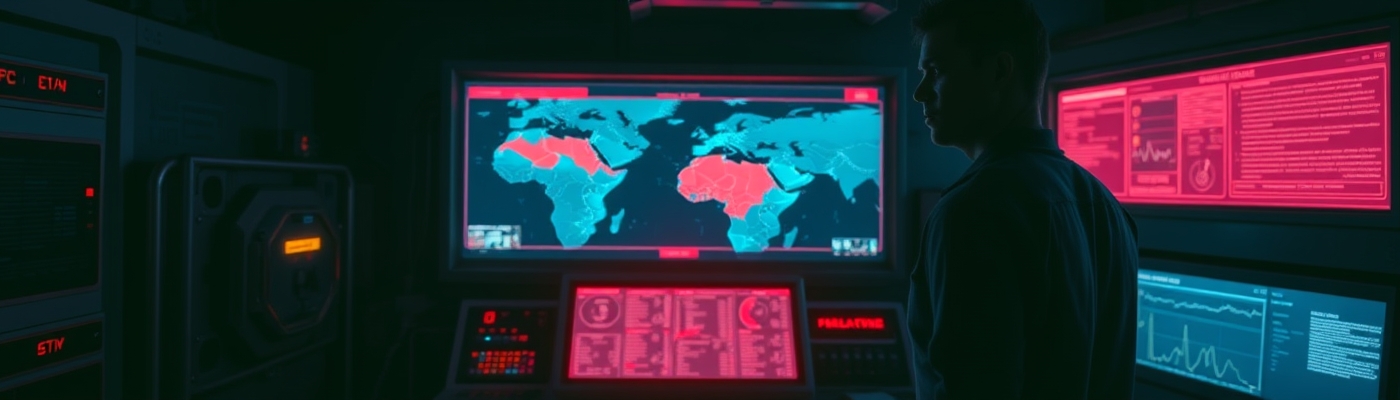
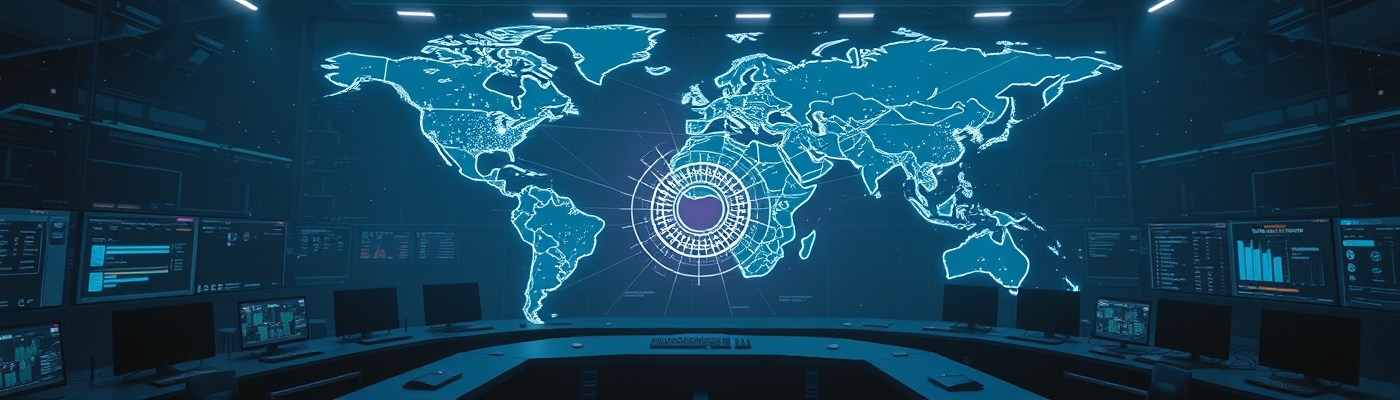
A Global Threat Map is a visual representation that aggregates and displays real-time data on potential threats worldwide. These maps can include everything from military movements to natural disasters and cyber-attacks. As a dynamic tool, they allow governments, organizations, researchers, and the public to monitor insecurity and respond accordingly.
The concept of a Global Threat Map extends beyond mere tracking; it connects various incidents, offering insights into how one event might influence another across the globe. For example, an outbreak of violence in one region may lead to a refugee crisis in neighboring countries, prompting humanitarian responses. By visualizing these connections, a Global Threat Map becomes an essential resource for scholars and policymakers alike.
Role of Open Source Security in Threat Mapping
Open source security plays an instrumental role in enhancing the accuracy and reliability of threat mapping. The collaborative nature of open source platforms allows developers from diverse backgrounds to contribute to security features, data integrity, and user engagement. This leads to more robust applications that are continuously refined based on community feedback.
For instance, by utilizing open source frameworks, tech innovators can create customizable threat maps that are accessible to anyone willing to contribute. The democratization of data enables a larger pool of individuals to engage in conflict tracking and threat intelligence, ultimately contributing to global awareness. Moreover, open source communities often emphasize transparency. As a result, they provide users with insights into the methodology used for data collection and verification.
Current Trends in Threat Intelligence and Data Visualization
5 Innovations Driving Conflict Tracking
The integration of innovative technologies into conflict tracking has transformed how we approach global threat awareness. Here are five notable trends currently shaping the landscape:
1. Real-Time Monitoring: Platforms are now capable of ingesting multiple data streams simultaneously, providing instantaneous updates on conflicts.
2. AI and Machine Learning: These technologies enhance data analysis by identifying patterns that human analysts might miss, thus improving threat prediction accuracy.
3. Geographical Information Systems (GIS): GIS technology allows for detailed visualizations that connect various data points, enhancing situational awareness.
4. Crowdsourced Data: Various platforms enable users to contribute real-time information, broadening the data collection scope and giving voice to local populations.
5. Interactive Dashboards: User-friendly interfaces now allow stakeholders to access and analyze complex data sets with ease.
Importance of Real-Time Data in Global Threat Awareness
Real-time data is crucial for an effective Global Threat Map, as it allows for timely interventions. The threats we face today can escalate rapidly; therefore, having access to instant information empowers organizations and governments to respond before a situation deteriorates.
For example, if a natural disaster strikes and communications are disrupted, real-time data can provide information about affected areas and resource needs. In contrast, a lack of immediate data can lead to delays in aid supply, exacerbating human suffering.
Furthermore, in the realm of cybersecurity, having timely updates can mean the difference between thwarting an attack and suffering severe data breaches. The timely delivery of information enhances strategic planning and bolsters disaster preparedness.
Insight from Tech Leaders on Open Source Platforms
Elie Habib and the World Monitor Impact
Elie Habib, the CEO of Anghami, developed World Monitor, an open-source platform designed to track global conflicts in real-time. The platform, as noted in a source article, integrates various data streams to provide insights into military movements and conflict zones. Habib’s motivation stemmed from a personal need for reliable information during chaotic geopolitical events. He stated, “I didn’t need a news aggregator; I needed something that showed me how these events connect to each other in real time.”
The emergence of World Monitor exemplifies the impact of open-source platforms in providing essential data. Since the onset of recent military actions, the platform has experienced a surge in usage, hitting a peak of over 216,000 unique visitors in a single day. The system leverages a credibility hierarchy specifically designed to verify information without human editorial oversight, prompting discussions around its reliability.
Analyzing Community Contributions in Tech Development
Community contributions are the backbone of successful open-source projects. By inviting diverse perspectives and expertise, tech leaders are able to refine their applications based on real user experiences and needs. This collaboration fosters innovation, leading to solutions that may not have been possible in isolated, proprietary environments.
Innovative platforms like World Monitor serve as a prime example of how community engagement can lead to critical improvements in threat tracking technologies. Engaging the community not only enriches data quality but also fosters a sense of shared responsibility among users. Open source allows individuals from various fields to contribute specialist knowledge, ultimately creating a more comprehensive and reliable Global Threat Map.
Predictions for the Future of Threat Intelligence
How Open Source Platforms Will Shape Data Reliability
As we look to the future, open source platforms are poised to play a crucial role in enhancing data reliability in threat intelligence. The collaborative nature of these platforms allows for iterative improvements based on real-time user feedback and ongoing developments in technology.
Emerging trends suggest an increased demand for transparency in data sourcing and verification processes. As a result, organizations using open-source solutions may experience enhanced credibility and user trust. With rigorous community scrutiny, the reliability of the data presented will likely improve, influencing how decision-makers utilize these maps in crisis scenarios.
Emerging Technologies in Threat Mapping
Emerging technologies are likely to contribute significantly to the evolution of Global Threat Maps. Innovations in AI, big data analytics, and advanced visualization techniques will integrate to create increasingly granular and actionable insights. As we move forward, we can expect:
– Augmented Reality (AR) and Virtual Reality (VR) to deliver immersive experiences in understanding global threats.
– Blockchain technology for secure and traceable data sharing, making the information on Global Threat Maps more robust.
– Natural Language Processing (NLP) to enable better communication between stakeholders and to automate data ingestion.
These advancements have the potential to revolutionize how we understand conflicts and threats across the globe.
Take Action: Engage with Open Source Initiatives
How can you contribute to this transformative movement? Engaging with open-source initiatives can take many forms, from contributing code to volunteer data monitoring.
Here are a few actions you can take:
– Participate in community discussions surrounding open source projects.
– Contribute data to existing Global Threat Maps or leverage open-source platforms for your own projects.
– Raise awareness of open source technologies in your networks, educating others on their benefits.
By actively participating, you can help shape the future of global threat awareness and support the collective effort in building more resilient communities.
Conclusion: The Future of Global Threat Awareness and Open Source Innovation
The future of global threat awareness is bright, especially with the continued rise of open source innovations. By harnessing the collective intelligence of communities around the world, tech innovators are poised to create increasingly accurate and actionable Global Threat Maps.
These developments not only empower stakeholders but also contribute to a more informed public. As we face an ever-evolving array of threats, enhancing our approaches to threat intelligence through open-source platforms will be pivotal in fostering global resilience and proactive response strategies.
For further insights into this topic, you can read about the impact of Elie Habib’s World Monitor at Wired. As technology continues to evolve, engaging in open-source platforms may just be the key to better navigating the complexities of global security.