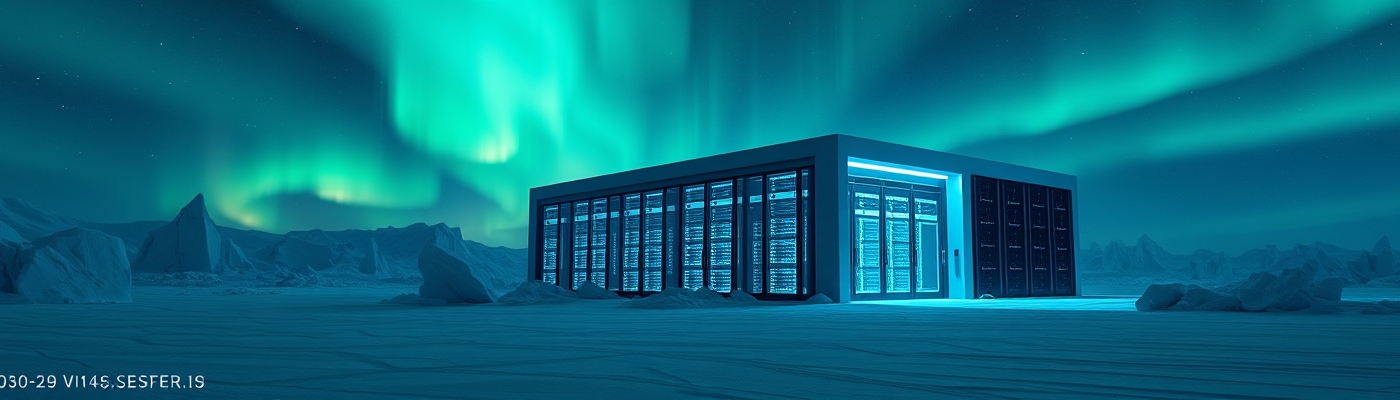
AI Optimized Data Centers in the Arctic

Why AI Optimized Data Centers Are Revolutionizing Energy Efficiency in the Arctic
Understanding AI Optimized Data Centers and Their Benefits
What Are AI Optimized Data Centers?
AI Optimized Data Centers are facilities that utilize artificial intelligence technologies to enhance operational efficiency, manage workloads effectively, and ultimately reduce energy consumption. These data centers leverage machine learning algorithms to monitor system performance, predict energy requirements, automate cooling systems, and optimize resource allocation. In the Arctic, the combination of advanced AI technologies and cold climate conditions presents unique opportunities for improving energy efficiency, making environments ideal for these cutting-edge infrastructures.
5 Key Benefits of Using AI Data Centers
1. Enhanced Energy Efficiency: By employing AI-driven analytics, these data centers can reduce energy waste, significantly lowering operational costs.
2. Autonomous Operations: AI technologies can automate routine tasks such as system maintenance and workload management, reducing the need for manual intervention.
3. Predictive Maintenance: Machine learning algorithms can analyze data to forecast when equipment is likely to fail, allowing preemptive maintenance that minimizes downtime.
4. Scalability: AI Optimized Data Centers can quickly adjust resources in response to fluctuating demands, ensuring that energy consumption aligns with real-time needs.
5. Sustainability: With a strong emphasis on minimizing carbon footprints, AI data centers enable organizations to meet sustainability goals effectively by utilizing renewable energy sources and optimizing usage.
The Impact of Arctic Climate on Energy Efficiency
How Arctic Conditions Enhance Energy Efficiency
The Arctic’s cold climate is inherently beneficial for data centers, as lower ambient temperatures can reduce cooling costs significantly. In traditional data centers, cooling systems consume a considerable amount of energy to maintain optimal operating temperatures. However, the colder environment in the Arctic can naturally cool servers, reducing the need for extensive air conditioning systems. For instance, studies have shown that the Arctic climate can lead to a reduction in cooling costs of up to 30%, contributing to significant overall energy savings.
Comparison: Arctic Data Centers vs. Traditional Data Centers
– Cooling Costs: Arctic Data Centers benefit from natural cooling, while traditional centers invest heavily in energy-intensive cooling systems.
– Energy Sources: Many Arctic initiatives focus on renewable energy sources such as hydropower and wind energy, while traditional data centers may rely on non-renewable energy, contributing to a larger carbon footprint.
– Operational Efficiency: AI Optimized Data Centers in the Arctic can perform better due to optimized algorithms that efficiently utilize the local climate, unlike traditional data centers where climate control can hinder performance.
The advantages offered by the Arctic’s climate position this region as a prime location for the development of AI Optimized Data Centers focused on energy efficiency.
Cloud Computing Trends in the Arctic Region
Increasing Demand for AI Data Centers
The demand for AI data centers is surging, driven by the global shift towards cloud computing. As businesses increasingly rely on data-intensive applications and services, organizations are seeking scalable solutions that can accommodate this growth without a detrimental impact on energy consumption. The Arctic offers an attractive alternative for companies looking to establish AI data centers, capitalizing on favorable climatic conditions and accessible renewable energy resources.
The Role of Renewable Energy in Data Centers
Renewable energy plays a crucial role in the sustainability of data center operations, particularly in the Arctic. As mentioned in a recent article, “The article discusses the surge in data center construction across the Nordic countries, driven by the rising demand for AI capabilities and the region’s abundant energy resources” [source]. Using hydroelectric, wind, and other renewable energy sources, data centers can operate with a significantly reduced environmental impact. This alignment with global sustainability trends makes Arctic AI Data Centers an appealing option for eco-conscious companies.
Key Insights into AI Data Center Developments
Major Players Investing in Arctic Infrastructure
Leading technology firms such as Microsoft and Amazon have recognized the potential of AI Optimized Data Centers within the Arctic region. Their substantial investments in this area signal a widespread acknowledgment of the advantages of operating in a cold climate when combined with advanced AI technologies. These companies are not only contributing to job creation but also revitalizing underdeveloped rural economies in the Nordic region through infrastructure development and operational synergy.
The Future of Rural Economies in the Nordic Region
As more AI data centers emerge in the Arctic, they could serve as catalysts for local economic growth. By providing high-tech job opportunities, enhanced telecommunications infrastructure, and increased demand for local services, these facilities may significantly uplift rural communities that experience challenges in traditional industries.
Forecasting the Future of Energy Efficiency in Data Centers
Predictions for AI Data Centers in the Next Decade
Analysts predict that AI Optimized Data Centers will continue to thrive over the next decade, driven by ongoing technological advancements and global shifts towards sustainability. The increasing affordability of AI technologies, combined with higher electricity costs in conventional regions, will likely compel more companies to explore Arctic data centers as a viable option. Furthermore, the integration of advanced cooling solutions and renewable energy sources will become standard practice, effectively addressing both operational costs and environmental concerns.
Potential Challenges and Opportunities Ahead
Despite the clear advantages, there are potential hurdles. The remote locations of many Arctic sites pose logistical and infrastructure challenges, making reliable connectivity a concern. However, solutions such as satellite communications and specialized transport systems can mitigate these issues, leading to greater adoption.
Moreover, there’s an opportunity for policy-makers and industry leaders to collaborate in establishing a framework that ensures sustainable development while maximizing the benefits of AI Optimized Data Centers in these emerging economies.
Join the Movement Towards Energy Efficiency
How You Can Support AI Data Center Innovations
As individuals and businesses become increasingly aware of the importance of energy efficiency, supporting innovations in AI Optimized Data Centers can have substantial effects. This can involve advocating for the adoption of renewable energies, endorsing AI technologies in local data centers, or even exploring investment opportunities to help fund these critical developments. Engaging in initiatives that drive sustainability within the cloud computing sector is crucial for collective progress.
Summarizing the Revolution in AI Optimized Data Centers
AI Optimized Data Centers are revolutionizing energy efficiency, particularly in the unique landscape of the Arctic. By harnessing artificial intelligence and benefiting from favorable climatic conditions, these data centers can operate sustainably and efficiently. As demand for cloud computing continues to rise, the Arctic’s focus on renewable energy and innovation positions it as the forefront of a new era in data center infrastructure.
For further insights on the expanding trend of data centers in the Arctic, you may refer to the article here.