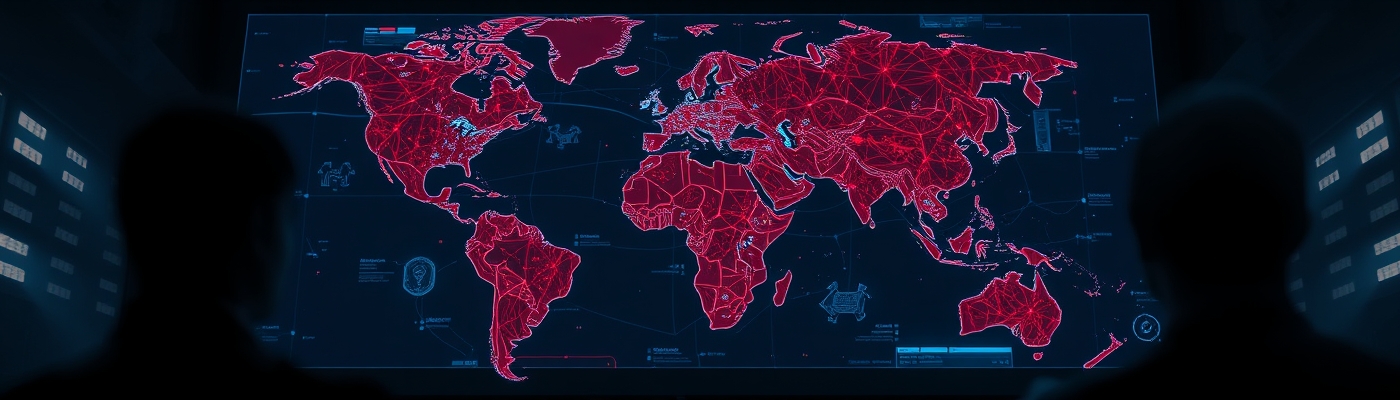
AI in Crisis Management: A Game Changer

Why AI in Crisis Management Is About to Change Everything in National Security
Understanding AI in Crisis Management
What Is AI in Crisis Management?
Artificial Intelligence (AI) in crisis management refers to the integration of machine learning and intelligent systems to enhance the decision-making processes during emergencies or crisis situations. This involves utilizing data analytics, predictive modeling, and real-time information to identify potential threats, assess the situation, and facilitate timely responses.
Unlike traditional crisis management methods that rely heavily on human judgment and static data, AI offers dynamic solutions that can adapt to evolving scenarios. For instance, AI systems can analyze vast datasets from various sources, including social media, sensor data, and satellite imagery, considerably faster than human analysts ever could. This immediate processing capability results in a clearer understanding of crises and enables more effective national security strategies.
The Growing Trend of AI in Geopolitical Strategy
AI’s Role in Modern Security Technology
As geopolitical landscapes become increasingly complex, the importance of AI in crisis management grows significantly. Governments and security entities around the globe are beginning to recognize the strategic advantages of leveraging AI for national security.
AI technologies are being deployed in several areas, including:
– Predictive analytics: Forecasting potential crisis events by analyzing historical and real-time data.
– Risk assessment: Evaluating threats based on various parameters, including socio-political dynamics and cyber threats.
– Resource allocation: Optimizing the deployment of assets and personnel in response to detected crises.
The rise of security technologies incorporating AI fundamentally alters geopolitical strategies, shifting the focus from reactive to proactive measures.
5 Benefits of Implementing AI in Crisis Management
1. Enhanced Decision-Making: AI systems process large amounts of data quickly and accurately, allowing decision-makers to be more informed about potential crises.
2. Speed of Response: AI can provide real-time analyses that significantly reduce the time it takes to react to a crisis, potentially saving lives and resources.
3. Operational Efficiency: By automating routine tasks, AI allows security personnel to concentrate on strategic planning and execution during crises.
4. Improved Risk Management: AI tools can predict potential security vulnerabilities and advise on preventive measures.
5. Cost-Effectiveness: Automating processes and leveraging AI analytics can reduce the overall costs associated with crisis response operations.
With these advantages, it’s clear that AI in crisis management is not merely an enhancement but a transformative force in national security.
Insights on AI Applications and National Security
Comparing Traditional Methods with AI-Enhanced Strategies
Traditional crisis management methods often rely on historical data and human intuition, which can be slow and prone to error. For instance, during natural disasters, traditional models may focus solely on past weather patterns without considering evolving climate conditions or changing human factors. In contrast, AI-enhanced strategies can include real-time environmental monitoring and social media sentiment analysis to provide a more holistic view of the evolving situation.
Consider the difference in outcomes between managing a public health crisis through conventional methods versus AI-enhanced protocols. While traditional methods may depend on human assessments of health data, AI can analyze patient records, symptoms, and even patterns in social media discussions to predict outbreak trends and implement more effective containment measures.
The Impact of Recent Geopolitical Events
Recent geopolitical events highlight the urgent need for advanced AI applications in national security. For example, the rapid escalation of tensions in various regions—such as ongoing conflicts involving Iran—demonstrates how quickly a crisis can develop and the importance of responsive crisis management strategies. As the notion of geopolitics advances, national security strategies must adapt to include new technologies, ensuring they are equipped to handle unforeseen challenges effectively.
For a deeper dive into the intertwining of politics and national security, check out this insightful article on the unknowns surrounding the U.S.-Iran conflict here #3D30F2.
Forecasting the Future of AI in Crisis Management
Predicted Developments in Security Technology
Looking towards the future, AI in crisis management will likely see significant evolution. We can anticipate:
– Further Integration of Multimodal Data: As AI becomes more sophisticated, the integration of diverse datasets—including social media trends, satellite images, and public health data—will become standard practice.
– Enhanced Predictive Capabilities: Future algorithms will be capable of recognizing patterns and making predictions with greater accuracy, allowing for earlier interventions in potential crises.
– Greater Collaboration Across Borders: AI will facilitate better communication and collaboration between nations in crisis response, creating a unified approach to global security challenges.
The future of security technology implies a fundamental shift toward more intelligent and effective crisis management frameworks.
Strategic Implications for National Security
The implementation of AI in crisis management has far-reaching implications for national security. As countries adopt these technologies, they will enhance their defense readiness and improve resilience against both physical and cyber threats. The goal will shift from merely responding to crises to anticipating and mitigating them before they escalate into larger conflicts.
How to Embrace AI Innovations in Crisis Management
Tips for Organizations in National Security
Organizations within the national security sector looking to implement AI technologies can consider the following strategies:
1. Invest in Training: Provide comprehensive training for personnel on AI tools and technologies to ensure they can leverage these advancements effectively.
2. Build Partnerships with Tech Companies: Collaborate with AI firms to gain insights into the latest technologies and their applications in crisis management.
3. Conduct Regular Simulations: Utilize AI systems in crisis management simulations to test protocols, identify weaknesses, and improve strategies dynamically.
4. Focus on Data Quality: Ensure that the data used for AI models is accurate, up-to-date, and relevant for analysis.
5. Foster a Culture of Innovation: Encourage staff to explore new AI applications and suggest enhancements to existing processes.
Embracing AI innovations requires not only technological investments but also a cultural shift within organizations.
Conclusion: The Lasting Changes of AI in Crisis Management
As we stand on the cusp of a new era in crisis management within national security frameworks, the role of AI promises to be transformative. The ability to process and analyze vast amounts of information instantaneously will enable governments and organizations to respond to crises with agility and accuracy previously thought unattainable.
With geopolitical dynamics evolving and potential threats becoming more complex, leveraging AI in crisis management is no longer an option but a necessity. As technological advancements continue to unfold, we can expect a future where security efforts are more integrated, proactive, and effective than ever before, fundamentally changing the landscape of national security strategies.