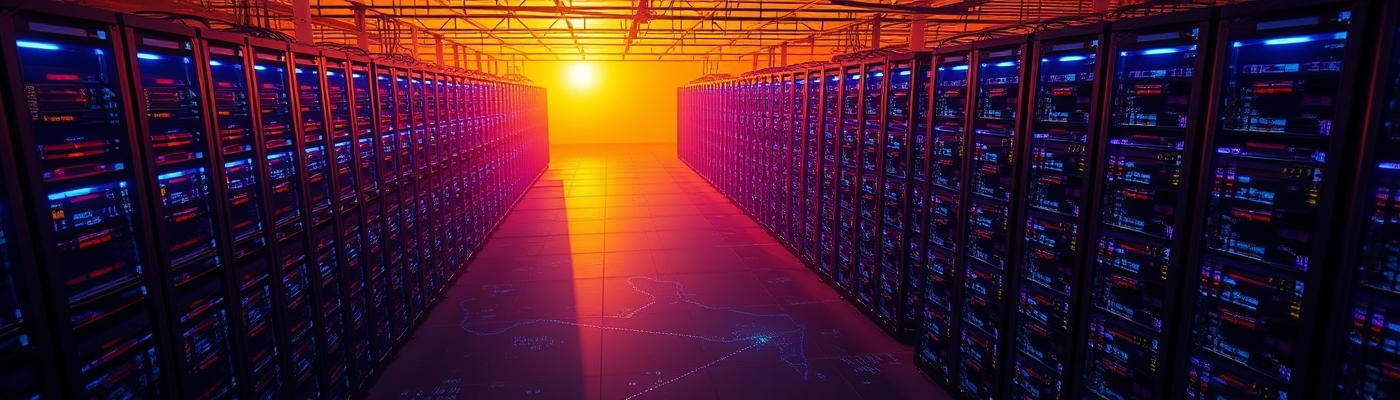
Data Centers’ Impact on India’s Tech Future

The Hidden Truth About Data Centers’ Impact on India’s Tech Future
Exploring the India Data Center Boom
India is witnessing a significant transformation in its tech landscape largely due to the India Data Center Boom. As digital penetration increases and cloud services ascend, there emerges an undeniable synergy between technological growth and data center infrastructure. This boom represents not only a shift in how data is managed but also reflects a pivotal moment for the country’s IT industry on a global stage.
With an estimated growth rate of over 20% per annum in data center capacity, India is on track to become one of the most crucial regions for data management and operations. This unprecedented growth spurt can be attributed to several factors, including the rise in AI and Data Centers, the need for data localization, and the unprecedented surge in cloud computing demand.
Background on India’s IT Industry Trends
Definition: What Is a Data Center?
At its core, a data center is a dedicated facility that houses computer systems and associated components, such as servers, network equipment, and storage systems. For businesses today, data centers are indispensable for managing, analyzing, and storing vast amounts of data. The rapid growth of the digital economy makes understanding data centers essential for grasping the broader trends within the IT sector.
The Role of AI and Data Centers in India
AI and data centers are intertwined in myriad ways. As artificial intelligence technology continues to evolve, the need for robust data processing capabilities is more crucial than ever. Data centers enable quick access to massive datasets, allowing machine learning algorithms to train and improve rapidly. For example, consider a streaming service that uses AI to analyze user preferences and recommend shows. The data center not only stores user data but also provides the computational power to analyze and predict trends in real-time.
Moreover, the advent of AI has prompted the demand for more advanced infrastructure, inspiring investments in newer, more energy-efficient data centers. As the foundation of India’s IT industry transforms, these centers play a critical role in meme tracking and analyzing consumer behavior.
Analyzing the Current Trend in Data Centers
5 Key Benefits of Data Centers for Businesses
As businesses increasingly rely on digital solutions, data centers offer a range of benefits:
1. Improved Data Security: With advanced security protocols, businesses can feel confident that their data is protected from breaches.
2. Scalability: Companies can easily upscale their data storage or processing needs without significant investments in physical infrastructure.
3. Cost Efficiency: Data centers minimize physical infrastructure costs by allowing multiple clients to share resources.
4. Disaster Recovery Solutions: In the event of a crisis, data centers often have built-in redundancy and backup solutions, enabling businesses to resume operations quickly.
5. Access to Cutting-Edge Technologies: Many data centers are at the forefront of technological advancements, providing businesses access to the latest tools and platforms.
Impact of Data Localization Laws on Data Centers
One of the most significant trends influencing the growth of data centers in India is data localization laws. As these laws become stricter, businesses face the pressing need to store data within the country, fueling the growth of local data centers.
For instance, India’s IT policy mandates that certain types of data, such as financial information, must be stored on local servers. This development not only enhances national security but opens avenues for local data center investments, thereby creating jobs and boosting the economy. Research indicates that effective data localization can unlock significant revenue potential, ultimately supporting the India Data Center Boom.
Insights into the Future of Technology Ecosystems
Environmental Challenges of Data Centers
While the growth of data centers heralds many benefits, it does not come without its challenges, particularly regarding environmental sustainability. Data centers consume enormous amounts of energy to maintain operations and cool servers.
For example, a single data center can use the same amount of energy as a small town. With climate change becoming an urgent concern, unregulated growth could deepen the environmental toll. Hence, the call for sustainable practices has never been more critical.
Investment Opportunities in Data Center Infrastructure
Investors are recognizing the opportunities within the data center market. According to a report by Hackernoon, the India Data Center Boom is expected to attract billions in investments for infra development source. This influx of capital will not only improve existing data centers but will also pave the way for the creation of new facilities equipped with the latest technology.
The landscape is particularly promising for companies that focus on green energy solutions, including renewable energy sources for cooling data centers. Utilizing solar or wind energy could dramatically reduce the carbon footprint of data centers and align with global sustainability mandates.
Forecasting India’s Tech Future with Data Centers
The Growing Demand for Cloud Services in India
Cloud computing has emerged as a linchpin of contemporary business operations in India. The rapid shift to remote work during the pandemic elevated the urgency to utilize cloud services, resulting in a predicted growth trajectory well into the next decade. As more enterprises migrate to cloud infrastructures, the need for effective and robust data centers heightens.
According to industry forecasts, by 2025, cloud services revenue in India is expected to reach over $7 billion. The backing of local data centers will be crucial to satisfy this burgeoning demand, making them indispensable for both scalability and security.
Policies Required to Leverage Data Centers’ Potential
To fully harness the benefits presented by data centers, the Indian government must implement forward-thinking policies. These policies should focus on:
– Streamlining regulations surrounding data centers to facilitate faster establishment without compromising security.
– Encouraging renewable energy investments to promote environmentally friendly data center operations.
– Incentivizing local businesses to connect with data center providers, thus integrating various sectors into the tech ecosystem.
By emphasizing sustainable growth, India has the potential to create a reinvigorated tech landscape that aligns with both economic and environmental goals.
Call to Action: Driving Sustainable Practices in Data Centers
As the future unfolds, stakeholders across India’s tech ecosystem must work together to promote sustainable practices within data centers. Companies, investors, and policymakers are encouraged to collaborate and create frameworks that support eco-friendly technologies.
Innovative solutions—such as optimizing energy usage through advanced cooling techniques or integrating artificial intelligence to monitor performance—could lead to significant advancements.
Conclusion: The Path Ahead for India’s Tech Industry
In summary, the India Data Center Boom signifies a critical phase in the evolution of the country’s IT industry. With significant growth opportunities stemming from AI integration, improved localization laws, and soaring demands for cloud services, the role of data centers will be paramount in shaping India’s tech future.
However, balancing this growth with sustainable practices is essential to mitigate the environmental impact. With the right policies and collective efforts, India can redefine its tech landscape, ensuring that it remains competitive globally while fostering an ecosystem that respects the planet.
As the industry evolves, it is imperative to keep an eye on trends and adapt accordingly. Embracing the challenge of sustainability could position India as a leader in the technological world, making the most of the opportunities presented by the data center boom.