Why AI-Driven Voice Restoration Is Revolutionizing Music for Those with Disabilities

Why AI-Driven Voice Restoration Is Revolutionizing Music for Those with Disabilities
Understanding AI in Music Recovery
The world of music has always held a special place for those who yearn to express their emotions, stories, and identities. However, for individuals with disabilities, particularly those affected by conditions like ALS (Amyotrophic Lateral Sclerosis), this passion can seem like an insurmountable barrier. Fortunately, as technology advances, AI in music recovery is breaking down these barriers.
What Is AI for ALS and Voice Restoration AI?
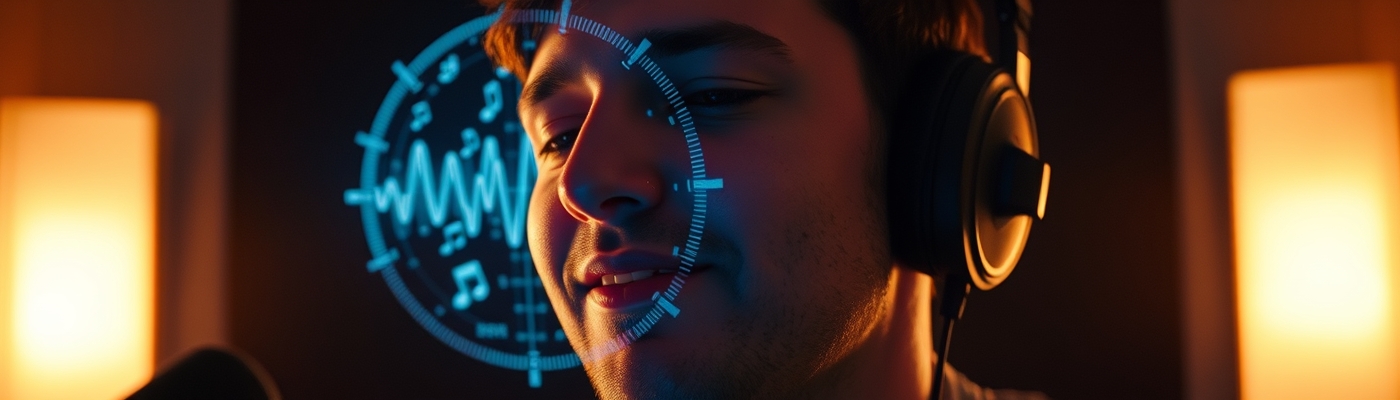
AI for ALS refers to innovative technologies specifically aimed at helping individuals with ALS regain their voice—both literally and metaphorically. Voice restoration AI employs machine learning algorithms designed to analyze and recreate a person’s unique vocal patterns. By utilizing existing voice samples, these tools can generate synthetic speech or singing that closely mimics the original voice of the user.
Imagine the technology as a personal musical assistant that understands a person’s vocal nuances and can recreate them regardless of physical limitations. This leap brings newfound hope to musicians like Patrick Darling, who lost the ability to sing due to ALS. With voice restoration AI, those affected can compose music once more, unleashing their creativity and emotional resonance onto the world.
How Music Therapy Technology Supports Recovery
Music therapy technology takes this a step further by integrating advanced features to support individual recovery challenges. From adaptive instruments to AI-driven software, innovations in music therapy encompass a wide array of tools that help individuals utilize music as a therapeutic medium.
For example, adaptive instruments designed to accommodate diverse physical abilities allow musicians with disabilities to engage in musical creation. These technologies ensure that the joy of music remains accessible, allowing individuals to explore their potential regardless of their circumstances.
The intersection of AI with music therapy creates an emotional bond, where technology not only assists in recovery but also celebrates the beauty of creativity and expression that can emerge from hardship.
Current Trends in AI-Driven Sound Restoration
The realm of AI-driven sound restoration is rapidly evolving, fueled by the need for more effective and personalized musical experiences for those with disabilities.
The Rise of AI in Music Therapy
Today’s music therapy landscape is witnessing a remarkable rise in AI applications. Therapists are now equipped with tools that analyze emotional responses to different types of music, thus customizing therapies to align more closely with an individual’s specific needs.
Additionally, AI algorithms are being used to create immersive musical environments, providing therapeutic experiences that are both interactive and tailored. For example, virtual reality programs that incorporate AI-driven music can transport individuals into engaging soundscapes that promote emotional healing.
5 Benefits of AI-Driven Voice Restoration
1. Enhanced Communication: AI voice restoration allows individuals to communicate in ways that may have once seemed impossible, promoting social interaction.
2. Emotional Expression: For musicians, the ability to recreate their singing voice enables a continued connection to their identity.
3. Increased Engagement: With user-friendly interfaces, individuals can interact with AI tools, creating a more collaborative environment.
4. Customizable Output: Tailored vocal outputs allow for personalization, ensuring that every individual can communicate or perform in a manner that feels true to them.
5. Sustaining Creativity: The ability to compose and perform music helps maintain a sense of normalcy and purpose, which can be crucial during recovery processes.
Analyzing the Impact of AI Technologies
The integration of AI technologies into music therapy has had a profound impact, opening opportunities for individuals to engage with music in ways they never thought possible.
Personal Stories: Patrick Darling’s Experience
Consider Patrick Darling, a once-vibrant musician diagnosed with ALS. Patrick’s story is a powerful example of resilience in the face of adversity. After losing the ability to sing and play instruments, it seemed that his musical journey had come to an abrupt end. Yet, with the help of ElevenLabs and voice restoration AI, he was able to recreate his voice, allowing him to reunite with his passion for music.
As he shared, “The imperfections in the AI-generated voice didn’t matter; what mattered was the connection I felt with my music again.” This sentiment underscores the emotional weight of his journey and the transformative power of technology in reviving lost dreams. For more details on his inspirational story, visit this article: Patrick Darling’s Story .
Comparing Traditional Music Therapy and AI Solutions
Traditional music therapy emphasizes human connection and creativity, often facilitated by a trained therapist. However, the introduction of AI solutions enriches these sessions with data-driven insights and innovative sound restoration capabilities that expand emotional expression.
While traditional therapy formats have limitations, such as the availability of medical professionals and required time commitments, AI solutions enhance accessibility. By providing individuals with the opportunity to explore their musicality and voice restoration, AI serves as both a tool and a therapeutic ally.
Future of AI in Music Recovery
The future of AI in music recovery holds endless possibilities. As technology advances, we can expect to see even more sophisticated tools and applications that will further enrich the lives of disabled musicians.
Innovations to Expect in Music Therapy Technology
In the coming years, we may witness advancements in AI algorithms that allow for real-time voice modulation based on emotional input. Imagine a system that can adjust a singer’s performance dynamically during a live show, tailoring their vocal output to match their emotional state.
Additionally, developments in brain-computer interfaces (BCI) may enable individuals to create music directly from their thoughts, circumventing physical limitations altogether. The intersection of AI, neuroscience, and music has the potential to lead to groundbreaking therapies that redefine the act of musical creation.
How AI Can Shape the Future for Disabled Musicians
As we look ahead, it’s vital to advocate for the continuous support of AI-driven music recovery initiatives. These efforts not only enhance technology but also ensure that music remains an essential part of human experience, regardless of physical challenges. By investing in research and tools that empower disabled musicians, we can create a more inclusive future where creativity knows no bounds.
Participate: Support AI-Driven Music Recovery Initiatives
If you feel compelled to contribute to this positive transformation in the realm of music recovery, consider supporting organizations or initiatives that advocate for AI-driven music therapy. Your involvement can help make a tangible difference, empowering individuals to regain their voice and musical expression. Together, we can foster a nurturing environment where creativity flourishes, regardless of physical challenges.
Conclusion: Embracing the Future of Music with AI
In a world where music serves as a universal language, AI-driven voice restoration stands out as a beacon of hope. This transformative technology is not merely about recovering voices but empowering individuals with the tools to reclaim their identities and share their emotions.
As we continue to embrace the intersection of AI and music therapy, we open doors to new possibilities and emotional connections that were once thought unattainable. Let us celebrate the resilience of those who have faced adversity and support the technologies that restore their voices, allowing their music to resonate once more.